
Baking s often called a science for a reason — every ingredient, measurement, and step plays a role in the final result. While cooking can be forgiving, baking demands precision. Even small mistakes can turn a fluffy cake into a dense brick or make cookies spread into puddles. The good news? Most baking mishaps are easy to avoid once you know what to look out for.
Here are five common baking mistakes and how you can steer clear of them for perfect results every time.
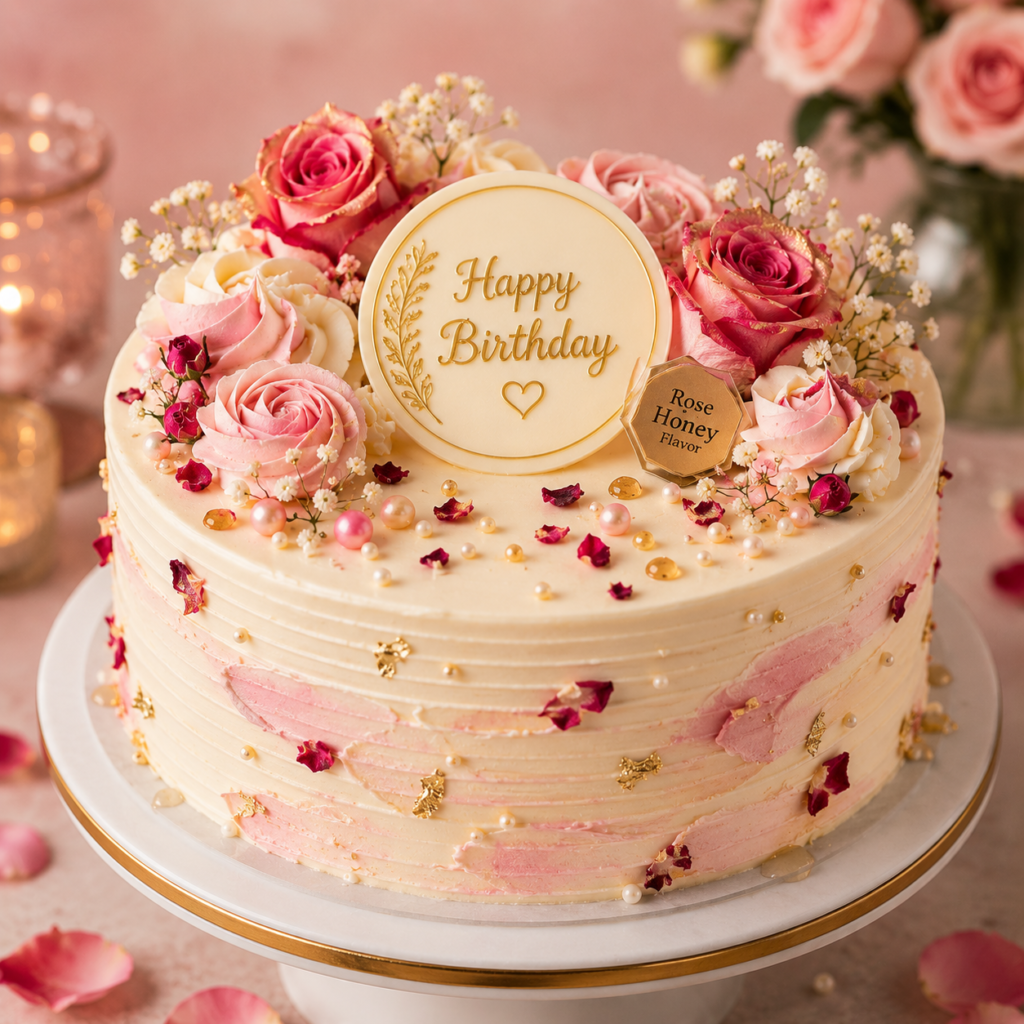
1. Incorrect Measurements are Common Baking Mistakes
Always use measuring cups and spoons accurately. Baking requires precision.
2. Opening the Oven Too Early
Opening the oven door too often can cause cakes to collapse.
3. Using Cold Ingredients
Cold butter and eggs may not mix properly into the batter.
4. Overmixing Batter is Common Baking Mistake
Too much mixing develops gluten and creates dense cakes.
5. Ignoring Oven Temperature
Every oven behaves differently. Use an oven thermometer if possible.
Avoiding these simple mistakes can instantly improve your baking results.
How to Avoid This Mistake:
- Read the Recipe Start to Finish:
- Before measuring or mixing anything, take a few minutes to read through the entire recipe.
- Pay attention to ingredient temperatures (e.g., “room temperature eggs”) and preparation steps (e.g., “sift dry ingredients together”).
- Gather and Prep Ingredients:
- Measure everything ahead of time and set them out in small bowls (this is called mise en place).
- Make sure you have all ingredients on hand—and double-check expiration dates for things like baking powder or yeast.
- Understand the Steps:
- If there’s a term or step you’re unfamiliar with (e.g., “fold gently” or “cream butter and sugar”), look it up beforehand.
- Notice if there are resting, chilling, or multi-step baking instructions.
- Plan Your Timing:
- Some recipes require long chilling times or multiple baking stages. Make sure you have enough time to complete them.
- If a recipe says “best eaten fresh,” plan your serving time accordingly.
- Prep Your Equipment:
- Ensure you have the right-sized baking pans, mixing bowls, and tools (e.g., a stand mixer, parchment paper).
- Preheat your oven if required and prepare pans as instructed.
How to Avoid This Mistake:
- Learn the Science: Understand the role of key ingredients in your favorite desserts.
- Be Cautious with Substitutions: Research before swapping or reducing ingredients.
- Experiment Mindfully: Make small adjustments and observe how they affect the final result.