
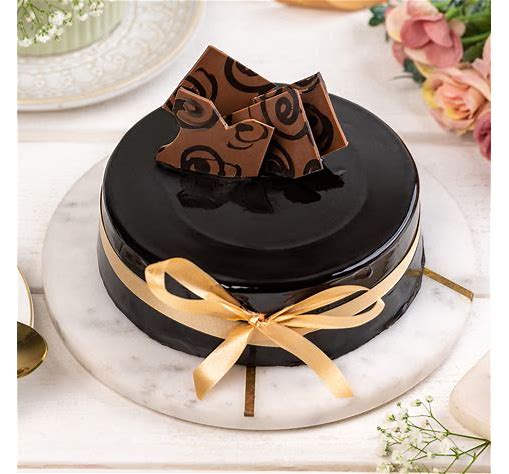
There’s something magical about a rich, moist chocolate cake. Whether it’s for birthdays, anniversaries, or late-night cravings, chocolate cake remains one of the world’s favorite desserts. But what makes a chocolate cake truly perfect?
How to Make a Perfect Chocolate Cake: Tips and Tricks
Creating the perfect chocolate cake is a dream for many home bakers and professional pastry chefs alike. The rich, indulgent flavors and moist, tender crumb of a chocolate dessert can make any occasion special. Whether you’re baking for a birthday, an anniversary, or simply to satisfy a sweet craving, mastering the art of making a flawless dessert will elevate your baking game. This comprehensive guide will walk you through the essential tips and tricks, ensuring your chocolate confections are always a hit. Let’s dive into the secrets of creating the ultimate chocolate delight.
Use Quality Cocoa Powder in Chocolate Cake
The flavor of your cake depends heavily on the quality of cocoa used. Premium cocoa creates a deeper and richer chocolate taste.
Don’t Overmix the Batter
Overmixing can make cakes dense and dry. Mix gently until ingredients are combined.
Add Hot Coffee
A small amount of hot coffee enhances chocolate flavor without making the cake taste like coffee.
Keep Ingredients at Room Temperature
Eggs, butter, and milk blend better at room temperature, giving your cake a smoother texture.
Never Overbake
Bake until a toothpick comes out with a few moist crumbs. Overbaking removes moisture from the cake.
A perfect chocolate cake should be soft, rich, and unforgettable in every bite.
The Essentials of a Perfect Chocolate Cake
Before we delve into the specific tips and tricks, it’s important to understand the fundamentals that contribute to the success of a chocolate dessert. The key elements include high-quality ingredients, proper mixing techniques, and careful baking. Let’s start by examining the fundamental components of a chocolate cake.
Key Ingredients
- Flour: All-purpose flour is the most common choice, but cake flour can be used for a lighter texture.
- Cocoa Powder: Unsweetened cocoa powder is essential for that rich chocolate flavor. Dutch-processed cocoa powder will yield a darker, more intense flavor, while natural cocoa powder is lighter and more acidic.
- Sugar: Granulated sugar provides sweetness and helps keep the cake moist.
- Eggs: Eggs provide structure and moisture. Use room temperature eggs for the best results.
- Butter: Unsalted butter adds richness and flavor. It should be at room temperature to blend smoothly.
- Baking Powder and Baking Soda: These leavening agents help the cake rise and create a light, airy texture.
- Buttermilk: Buttermilk adds tanginess and helps keep the cake moist. If you don’t have buttermilk, you can make a substitute by adding a tablespoon of vinegar or lemon juice to a cup of milk and letting it sit for 5 minutes.
- Vanilla Extract: A good-quality vanilla extract enhances the chocolate flavor.
- Hot Water or Coffee: Adding hot water or coffee intensifies the chocolate flavor and helps create a smooth batter.
Essential Equipment
- Mixing Bowls: Various sizes for combining ingredients.
- Electric Mixer: A stand mixer or hand mixer helps achieve a smooth batter.
- Measuring Cups and Spoons: Accurate measurements are crucial for baking.
- Spatula: For scraping down the sides of the bowl and folding ingredients.
- Cake Pans: Ensure they are greased and lined with parchment paper for easy removal.
- Cooling Rack: To cool the cakes evenly and prevent sogginess.
- Oven Thermometer: To ensure your oven is at the correct temperature.
Here are the key components that will make your chocolate confection extraordinary:
High-Quality Ingredients: The foundation of any great dessert lies in the quality of the ingredients. Choose premium cocoa powder, high-quality chocolate, fresh eggs, and pure vanilla extract.
Proper Mixing Techniques: The way you mix your batter can significantly impact the texture of your confection. Be mindful of overmixing and undermixing.
Accurate Measurements: Baking is a science, and precise measurements are crucial. Invest in a kitchen scale for accuracy.
Correct Baking Time and Temperature: Ensuring your dessert is baked at the right temperature for the correct duration is essential for a moist and tender crumb.
Cooling and Frosting: Properly cooling your baked treat and applying the right frosting techniques will enhance the overall presentation and flavor.